


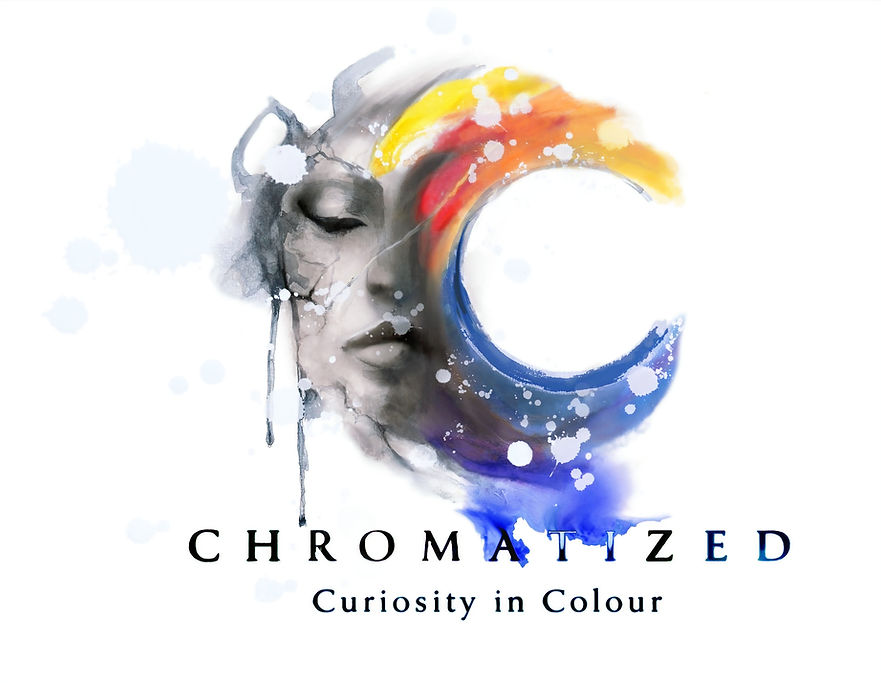
Exploring Mixed Media: The Art of Chromatized
- Bill Stephens
- Dec 1, 2025
- 3 min read

Mixed media art has gained significant traction in recent years, captivating artists and art enthusiasts alike. One of the most intriguing aspects of this genre is the concept of chromatized art, which combines various materials and techniques to create visually stunning pieces. In this blog post, we will explore the essence of mixed media, the principles behind chromatized art, and how you can incorporate these techniques into your own creative practice.

Understanding Mixed Media Art
Mixed media art refers to the use of multiple materials and techniques in a single artwork. This approach allows artists to break free from traditional boundaries and explore new creative possibilities. Here are some key characteristics of mixed media art:
Diverse Materials: Artists often use a combination of paint, paper, fabric, found objects, and more.
Layering Techniques: The layering of different materials creates depth and texture, resulting in a more dynamic visual experience.
Personal Expression: Mixed media art encourages individual expression, allowing artists to convey their unique perspectives and emotions.
The Rise of Chromatized Art
Chromatized art is a specific subset of mixed media that emphasizes color and texture. The term "chromatized" refers to the use of vibrant colors and various materials to create a harmonious composition. This style has gained popularity for its ability to evoke strong emotions and engage viewers on multiple levels.
Key Elements of Chromatized Art
Color Theory: Understanding how colors interact is crucial in creating chromatized art. Artists often experiment with complementary, analogous, and triadic color schemes to achieve the desired effect.
Texture: The use of different materials adds tactile quality to the artwork. Artists may incorporate elements like sand, fabric, or even natural materials to enhance the sensory experience.
Composition: A well-balanced composition is essential in chromatized art. Artists must consider the placement of colors and materials to create a cohesive piece.
Techniques for Creating Chromatized Art
If you're interested in exploring chromatized art, here are some techniques to get you started:
1. Layering Paints
Begin by applying a base layer of paint. Once dry, add additional layers using different colors and techniques, such as sponging or splattering. This will create depth and complexity in your artwork.
2. Incorporating Textures
Experiment with various materials to add texture to your piece. You can use items like fabric, paper, or even natural elements like leaves or twigs. Glue these materials onto your canvas and paint over them for a unique effect.
3. Using Found Objects
Incorporating found objects can add an intriguing dimension to your artwork. Consider using items like buttons, bottle caps, or pieces of wood. These elements can serve as focal points or accents in your composition.
The Emotional Impact of Chromatized Art
One of the most compelling aspects of chromatized art is its ability to evoke emotions. The vibrant colors and varied textures can create a sense of joy, nostalgia, or even contemplation. Artists often draw from personal experiences or societal themes to convey their messages through color and form.
Case Study: The Work of Contemporary Artists
Many contemporary artists have embraced chromatized techniques in their work. For example, artist Yayoi Kusama is known for her use of bold colors and repetitive patterns, creating immersive environments that engage viewers. Similarly, Kara Walker utilizes mixed media to address themes of race and identity, often incorporating vibrant colors to enhance the emotional weight of her pieces.
Getting Started with Your Own Chromatized Art
If you're eager to dive into the world of chromatized art, here are some practical steps to help you begin:
Gather Your Materials: Collect a variety of paints, papers, fabrics, and found objects. The more diverse your materials, the more creative possibilities you'll have.
Choose a Theme: Consider what message or emotion you want to convey through your artwork. This will guide your color choices and composition.
Experiment Freely: Don't be afraid to make mistakes. Mixed media art is about exploration and discovery. Allow yourself to play with different techniques and materials.
Reflect on Your Work: After completing a piece, take time to reflect on what you’ve created. What emotions does it evoke? What techniques worked well? This reflection will help you grow as an artist.
Conclusion
Exploring the world of mixed media and chromatized art opens up a realm of creative possibilities. By understanding the principles of color, texture, and composition, you can create captivating pieces that resonate with viewers. Remember, the journey of creating art is just as important as the final product. So gather your materials, unleash your creativity, and let the vibrant world of chromatized art inspire you.
As you embark on this artistic journey, consider sharing your creations with others. Join local art communities or online platforms to connect with fellow artists and gain valuable feedback. The world of mixed media is vast, and there is always something new to learn and explore. Happy creating!


Comments